
Scientists Discover Why Some Epithelial Cancers Are More Aggressive Than Others
Researchers have uncovered why certain common cancers behave far more aggressively depending on where they develop in the body, offering fresh insight into a long-standing medical mystery.
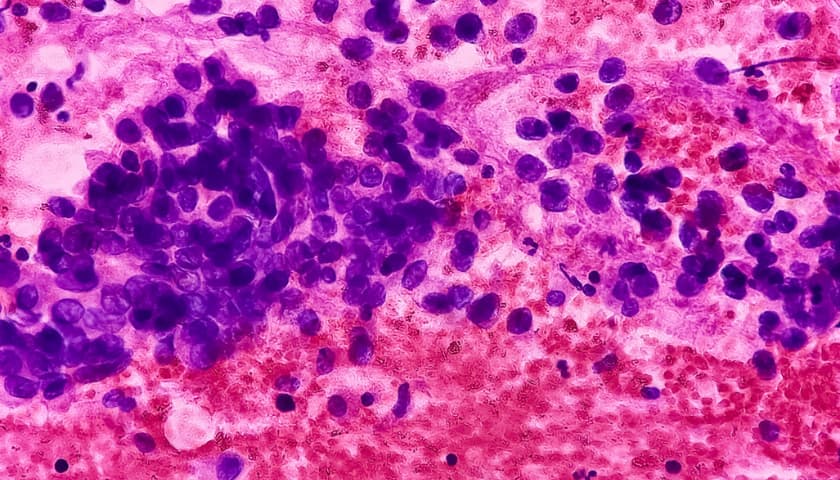
A team led by scientists from the University of Manchester and the University of Liverpool found that the key difference lies not in the cancer cells themselves, but in surrounding support cells known as fibroblasts.
The study focuses on squamous cell carcinomas (SCC), a form of epithelial cancer often found in the mouth, lungs, and skin. While these cancers can appear similar under a microscope, their ability to grow and spread varies significantly.
According to the research, published in Nature Metabolism, fibroblasts in different parts of the body produce and transfer distinct types of fats to nearby cancer cells. These fats act as signals that influence how aggressively the cancer behaves.
In oral cancers, fibroblasts supply sphingomyelins—fats that trigger a chain of molecular activity known to drive cancer cell movement and invasion. In lung cancers, fibroblasts instead transfer triglycerides, which boost cholesterol production within cancer cells and are linked to more invasive behaviour and poorer patient outcomes.
By contrast, fibroblasts in the skin contain far fewer fats, which may explain why skin-based SCCs tend to be less aggressive.
The findings also highlight the role of a biological process called epithelial-to-mesenchymal transition, which enables cancer cells to become more mobile and spread throughout the body.
Co-author Dr Amaya Viros said the research shows that the tumour’s surrounding environment plays a decisive role in shaping how dangerous it becomes.
The study was supported by organisations including Cancer Research UK and the National Institute for Health and Care Research Manchester Biomedical Research Centre.
Scientists believe the discovery could open the door to new treatments targeting the tumour microenvironment, rather than focusing solely on cancer cells themselves.