Bobi Wine Faces Intensifying Pressure as Vote Nears
Kampala — With just four days to go until Uganda’s presidential election on 15 January, opposition leader Robert Kyagulanyi Ssentamu — known widely as Bobi Wine — remains at the centre of a fraught and highly contested political campaign that has drawn significant domestic and international scrutiny.
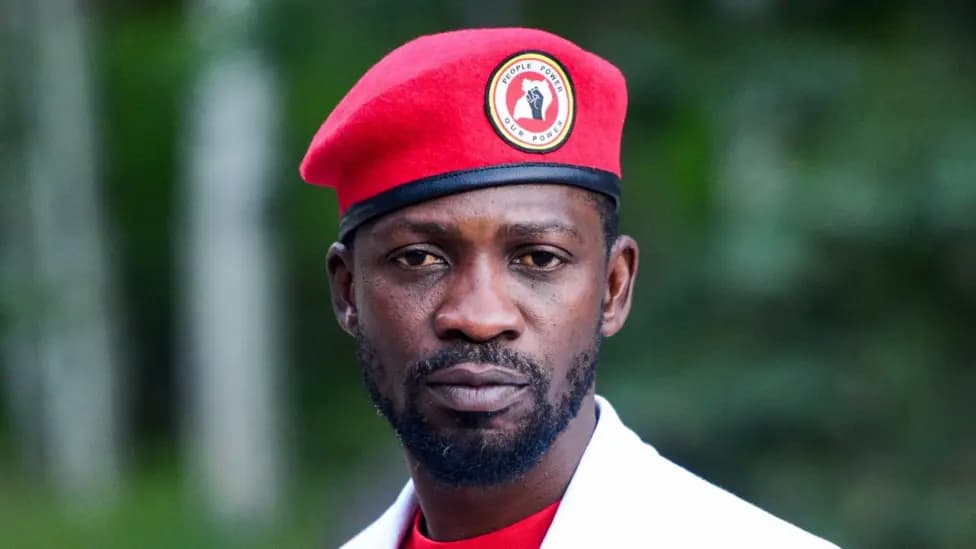
Bobi Wine, a former pop star turned opposition politician, is challenging Dictator Yoweri Museveni, who has ruled Uganda since 1986 and is seeking a seventh term in office. Wine, leader of the National Unity Platform (NUP), has campaigned on a platform of political reform, economic change and a review of key national contracts, including the country’s oil agreements with multinational firms — a position he reiterated in recent interviews with international media. If elected, Wine has pledged to reassess those oil deals to better reflect Ugandan interests.
The election period has been marked by what observers and rights groups describe as heightened repression. The United Nations Human Rights Office reported that the electoral environment is “marked by widespread repression and intimidation” against opposition figures, human rights defenders and journalists, citing the use of live ammunition and forced dispersals by security forces. Security forces have reportedly used tear gas and other crowd-control measures at Wine’s rallies, and supporters have faced arrests and obstructions.
Bobi Wine’s campaign has also taken unusual precautions. Outsiders have noted his decision to wear body armour at public events, citing credible threats against his safety based on past incidents in previous election cycles.
In the lead-up to polling day, Wine and his allies have raised concerns about internet restrictions and information blackouts — common tactics in past Ugandan elections. The opposition leader appealed directly to global technology companies to help maintain internet connectivity amid fears that communications could be severed to limit coordination and transparency.
Political dynamics inside the opposition movement have also shifted. Veteran activist and former presidential candidate Kizza Besigye, currently detained on treason charges, reportedly provided financial support to Wine’s campaign through intermediaries, signalling a degree of cooperation among anti-incumbent forces.
Despite the prevailing challenges, Wine’s rallies have drawn significant crowds, particularly among younger Ugandans and urban voters disillusioned with the long-standing rule of Museveni. Supporters have been visible across major centres such as Kampala and Mukono in recent days.
International human rights and election monitoring organisations are watching closely. Ahead of the vote, the Ugandan government imposed restrictions on live broadcasting of riots and “unlawful processions,” a decision criticised by advocacy groups as a means of controlling the narrative and limiting independent reporting.
With the election imminent, the stakes remain high in Kampala and beyond. Observers say the outcome will be consequential not only for Uganda’s internal political future but also for democratic norms across the East African region.