Ketamine deaths increase twenty-fold since 2014 with mixing drugs on the rise, new study shows
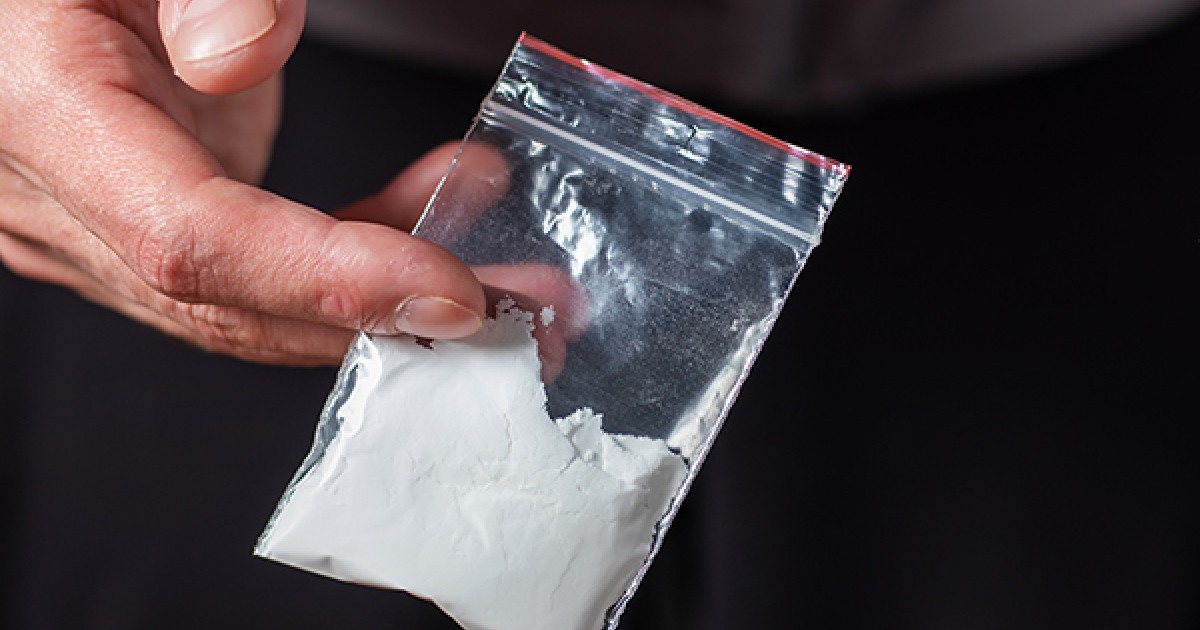
Deaths due to illicit ketamine use have increased twenty-fold since 2014 – but these deaths are increasingly occurring in complex polydrug settings, raising doubts over whether single-substance drug policies can reduce harms.
Researchers from Manchester Metropolitan University, King’s College London, who led the study, and University of Hertfordshire examined coroners’ reports in England, Wales and Northern Ireland between 1999 and 2024, and found 696 deaths with detections of illicit ketamine.
The study, which was published in the Journal of Psychopharmacology, represents the most detailed assessment to date of ketamine-related deaths in England, Wales, and Northern Ireland.
Ketamine is a Class B anaesthetic drug that has hallucinogenic effects and researchers found its cheap cost – around £15-£30 for a gram compared to £80 for cocaine – could be driving increased consumption.
Findings revealed the number of people using ketamine in England and Wales has continued to rise, with an estimated 299,000 people aged 16-59 reporting illicit ketamine use in 2024.
While annual deaths with post-mortem detections of illicit ketamine have risen over the past decade, the proportion of deaths where ketamine was the sole or primary cause has fallen, reflecting a shift towards increasingly risky patterns of polydrug use.
Opioids, cocaine, benzodiazepines, and gabapentinoids were frequently co-implicated in deaths, with the average number of substances involved in each case also rising.
Researchers also identified a demographic shift, with deaths increasingly occurring among older, socioeconomically disadvantaged, and dependent drug users, rather than being confined to younger recreational populations. However, harms of ketamine use among young people – such as bladder injury and dependence – remain a serious concern.
Dr Rebecca McKnight, Honorary Research Fellow at Manchester Met and co-author of the study, said: “This study highlights the worrying acceleration of ketamine-related deaths, which are increasingly in the context of polydrug use and risky supply environments. A comprehensive and targeted drug response policy is required to mitigate further deaths and associated harms, such as public health initiatives, development of treatment pathways and harm reduction approaches”.
Dr Caroline Copeland, lead author of the study at King’s College London, said: “We are seeing more ketamine-related deaths, but these deaths rarely involve ketamine alone. They are increasingly part of complex polydrug use patterns, often among people facing social disadvantage and entrenched drug dependence. This means single-drug policies, such as reclassification, are unlikely to tackle the real drivers of harm.”
The study also found 85% of the deaths between 2020 and 2024 were men, and where employment status was reported for 77% of deaths between 2020 and 2024, 42% were employed, 42% were unemployed and 11% were students.
The demographic profile of deaths shifted towards greater deprivation from 2020 to 2024, and death was deemed accidental in 88.9% of cases, with 5.9% determined suicidal.
Researchers are calling for a more comprehensive response to address ketamine-related harms, with recommendations including expanded drug-checking services and overdose prevention schemes, better integration of ketamine users into treatment pathways, and targeted education on the risks of polydrug use.
Ketamine can be prescribed medically as a sedative and is commonly used on animals but when ketamine is misused, it can cause serious and sometimes irrevocable damage to the bladder.
Mixing ketamine – a dissociative – with depressant drugs like opioids and benzodiazepines makes it harder to judge the effect each drug is having, resulting in people taking more of each drug than intended.
Read the full study Deaths following illicit ketamine use in England, Wales and Northern Ireland 1999-2024: An update report to inform the reclassification debate