Tackling the increasing censorship of children’s publishing
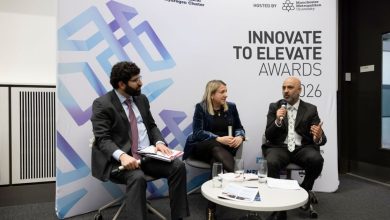
Censorship in children’s publishing, banned school library books and learnings from the Trump administration were under the spotlight in a major symposium aiming to champion and safeguard equality in children’s fiction.
Hosted by Manchester Met and bringing together authors, publishers and booksellers from the UK and the US – where children’s book censorship is increasingly normalised – the event addressed urgent issues around equality in children’s storytelling.
The Centre for Fiction at Manchester Metropolitan University held the Future-Proofing Equality in Children’s Fiction Symposium to explore the inclusivity of children’s publishing, and hear from authors, publishers and booksellers in the US and UK.
Dylan Calder, lecturer in publishing at Manchester Met and the host of the symposium, said: “The symposium has been formed by people of a shared commitment: that the diverse, inclusive library of children’s books we’ve been striving to build requires protecting and defending from an escalating culture of anti-diversity, censorship and book banning being modelled in the US and exported globally.”
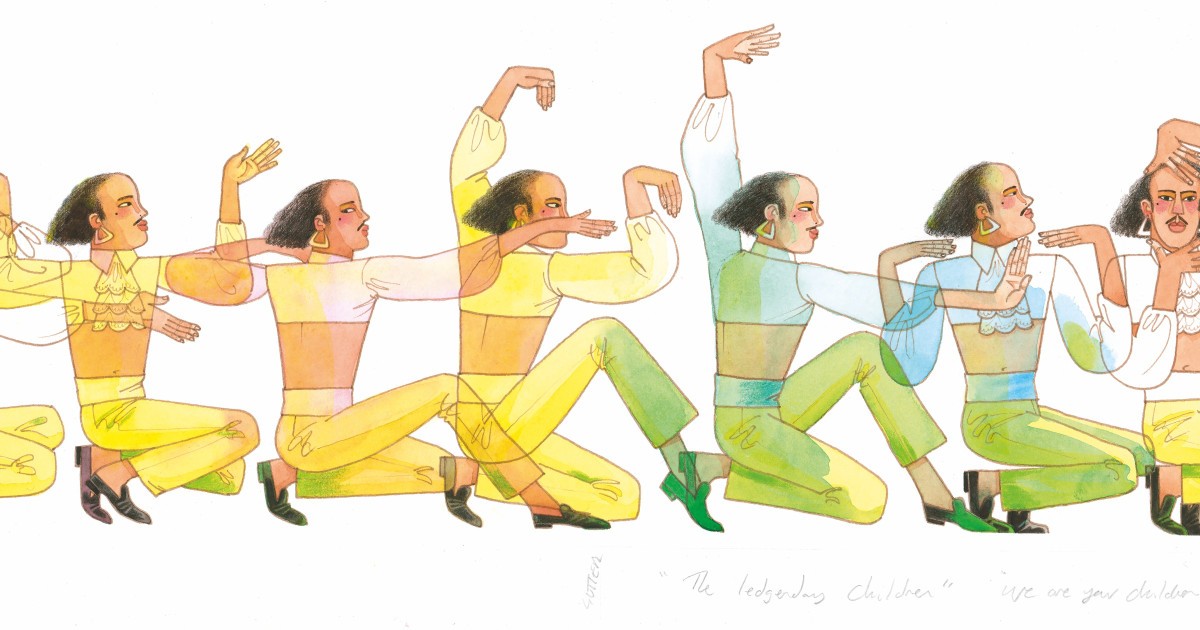
A key speaker at the symposium was Manchester Met alumnus David Roberts, an award-winning illustrator and author. His illustrated history of queer activism We Are Your Children was published this year to wide acclaim.
He said: “I once heard someone say that a book is not just a mirror, it’s a window. I think you don’t just need to see yourself represented. You need to see other people represented too.
“I know how important it was for me the first time I ever read a book that had a gay protagonist in it and how fascinated I was.
“I’ve been lucky enough to visit many schools during my career as a children’s book illustrator. And sometimes I’ve looked out at a room full of kids and I’ve thought; I‘ve never seen anyone that looks like you in a children’s book and so I’m sure you probably haven’t either.”
The symposium was funded by AHEAD, the public engagement programme of the Faculty of Arts and Humanities at Manchester Metropolitan University. Other speakers included representatives from Harper Collins, Frankfurt Book Fair, Penguin Random House and Arts Council England.
Jasmine Richards, founder and CEO of Storymix, said: “This symposium mattered because children’s publishing is under threat and we cannot rely on platitudes or good intentions alone to protect inclusive storytelling. My hope is that this leads to concrete partnerships with organisations who can help us build evidence, test new models and invest in the long term development of inclusive storytelling.”
Another attendee Eric Huang, Author and Deputy Programme Director Creative Writing and Publishing at City St George’s, University of London, said: “The symposium was transformative—the start of something much bigger. Several of the attendees—myself included—are launching ourselves into projects inspired by the discussions.”
Dylan Calder added: “Just as major institutions in the US buckle under executive, litigatory pressure to erase EDI initiatives, we cannot wait for mainstream UK publishing to defend inclusive children’s literature when faced with such assaults. We must be prepared.”