Small changes to greenfield housing development policy will yield huge benefits to quality, says report
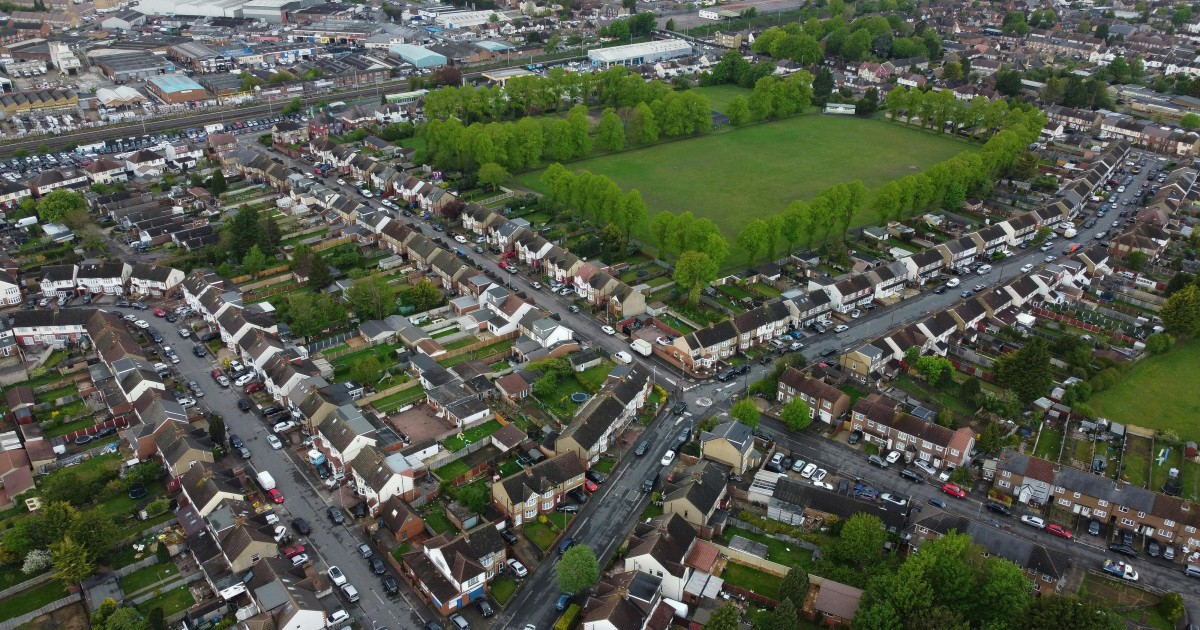
Realistic, achievable changes to the way that greenfield housing developments are planned and delivered are urgently needed to ensure that housing quality does not suffer in the government’s ambitious plans to build 1.5 million new homes within the current parliament, according to a new report.
Leading UK urban regeneration experts have authored Placemaking Not Plotting: Towards a New Generation of Sustainable Suburbs, which has been presented to local authority leaders and housing providers at series of policy roundtables in Manchester and London.
The report highlights realistic refinements that must be made to existing greenfield housing development plans to safeguard the quality of the Government’s recently promised 1.5m new homes within the current parliamentary system.
It calls for a shift to a simple and more effective design template including achievable adjustments that prioritise quality through activities like placemaking, sustainability, and community wellbeing.
It comes as the Government launches a consultation on a revised National Planning Policy Framework which pledges commitment to tackling the UK’s housing crisis, including delivering high quality design.
Dr Lucy Montague, Senior Lecturer at Manchester Met’s Manchester School of Architecture, joined leading industry figures Ben Derbyshire, Former President of the Royal Institute of British Architects; non-exec Chair of HTA Design and former RIBA president, Andy von Bradsky; Former Head of Architecture at the Ministry of Housing, Communities & Local Government, Matthew Goulcher; Managing Director of Levitt Bernstein, Andrew Beharrell; and Senior Advisor at Pollard Thomas Edwards in proposing six key recommendations to improve design quality and accelerate housing delivery:
- Strengthen national design guidance – apply core urban design standards to all greenfield developments of 50 homes or more
- Early compliance with quality standards – require masterplans and design codes at the outline planning stage
- Prioritise urban design – separate urban design from architectural style, ensuring placemaking principles come first
- Create green streets – replace car-dominated layouts with new national standards for active travel-focused, biodiverse street design
- Embed design review – mandate expert panels to assess major developments before planning submission
- Reward good design with speedy approvals – fast-track schemes that meet national standards and engage communities early.
By adopting their recommendations, the authors argue that the UK can unlock a new generation of high quality sustainable suburban development – characterised by landscape-rich, mixed-use neighbourhoods that support biodiversity, active travel, and community cohesion.
Included in the report is a Greenfield Development Design Code Template and case studies of successful housing schemes, offering a clear roadmap for local authorities, developers, and communities to protect the quantity of new housing.
Dr Lucy Montague, Senior Lecturer at Manchester Met’s Manchester School of Architecture and co-author of the report, said: “We must not lose sight of housing quality in the quest to meet ambitious housing targets. The proposals outlined in our report represent small tweaks to policy that will deliver big benefits to the new developments we will be living in and around.
“By embedding quality at the heart of the planning and design process, we can create a legacy of neighbourhoods that are not only sustainable and practical but also loved by the people who live in them. Our recommendations show how small changes to the planning system can unlock a new generation of street-based urbanism – places that are biodiverse, walkable and socially vibrant – without compromising the scale and speed of delivery needed.”
The report findings have been presented to housing policy makers, local authorities and key developers at a series of roundtables in London and Manchester, and it is now hoped that the recommendations will be built into updated housing policy guidelines.
Read the report in full here.