Manchester to review approach to bringing empty homes back into use
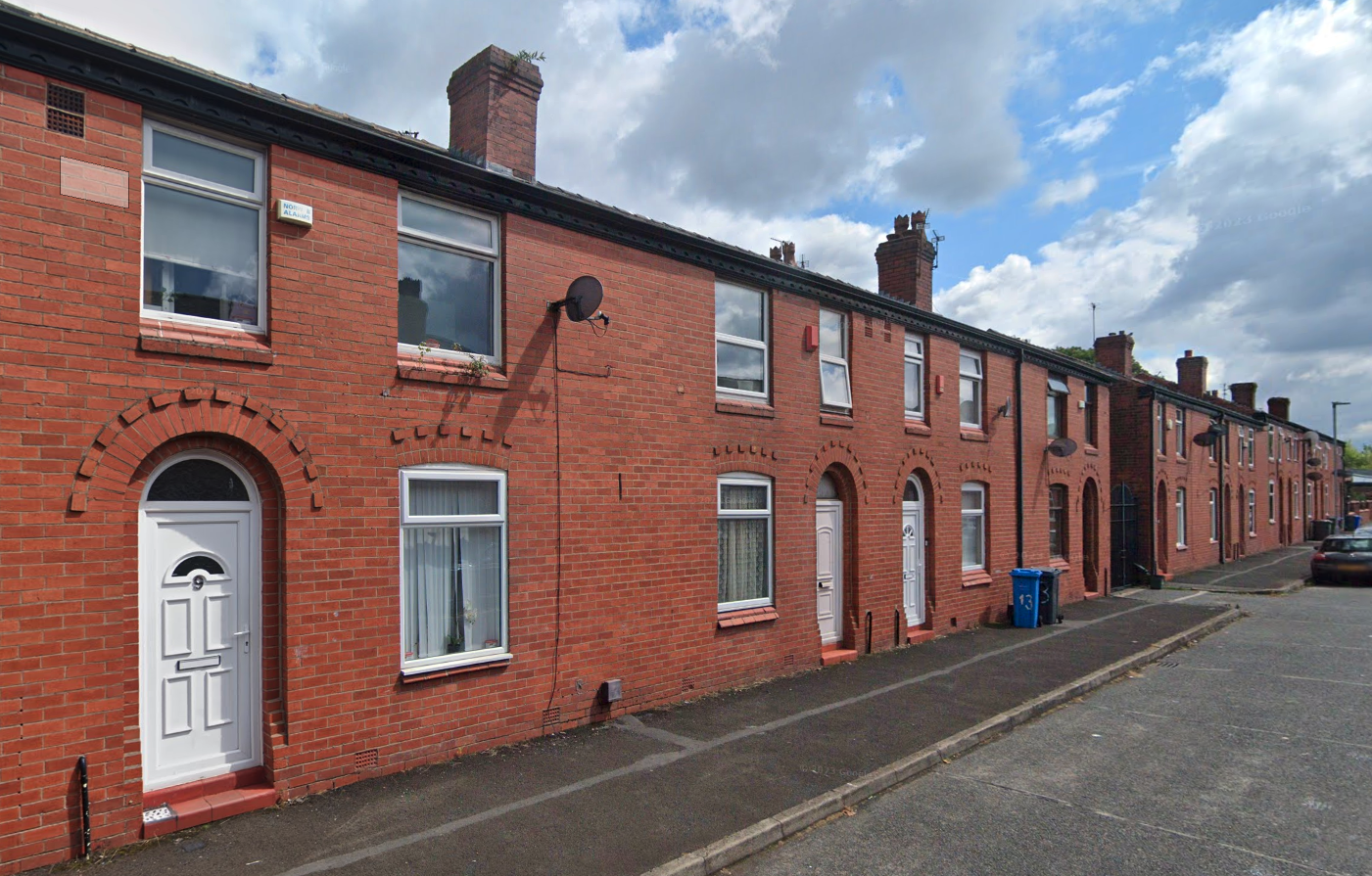
The City Council has started a public consultation on a new draft Empty Homes Strategy to gather feedback about the best way to bring empty homes into use and help meet demand for affordable homes.
Manchester’s 2022 housing strategy made a clear commitment to helping to build at least 10,000 genuinely affordable, social and Council homes – which is on track to be exceeded.
And although building new homes to increase the number of homes in the city’s housing market to meet demand, empty homes represent a wasted resource that could provide a family a place to live, reduce homelessness and lessen the burden on temporary accommodation, and help to improve the look and feel of our neighbourhoods – while also supporting the city’s sustainability journey to become Net Zero.
Right now, the number of empty homes in Manchester is at an historic low – particularly compared a decade ago when more than 10,000 private homes were considered long-term empty. However, despite long-term interventions to tackle the issue, there are around 1,500 homes in Manchester which have been empty for more than six months and are therefore subject to at least a 100% premium on top of the standard Council Tax charge.
There are also a notable number of empty homes where the owner has sadly passed away, and work is now required to trace the next of kin in order to help to bring the home back into use.
The vast majority of long-term empty homes are privately owned and the reasons why they are not in use are varied and often complex.
This Empty Homes Strategy review considers how the Council can use the homes already available in the city to help meet demand for great homes.
Empty Homes Strategy 2026-2032: Our priorities
- Work with owners to bring homes back into use, including for affordable housing.
- Increase housing supply to reduce homelessness. Using empty homes for temporary or adapted accommodation.
- Target problem properties that cause issues for neighbours.
- Retrofit homes to make them warmer, greener, and healthier.
The Council will work with owners, housing providers, and communities to find practical solutions. This could include:
- helping owners sell or rent
- using leasing schemes
- enforcement as a last resort.
Have your say
Consultation is now open and feedback from Manchester people, businesses and stakeholders will help shape the final strategy.
We want to know how Manchester should prioritise action on empty homes and we want to know what ideas our residents might have about the best ways to bring homes back into use.
You can take part in the conversation online
In-person events will also be held in all parts of the city to gather feedback and allow local residents to ask questions.
Newton Heath Library, Health and Cost-of-Living Community Event, 2 Old Church St, Manchester, M40 2JF, Miles Platting and Newton Heath
- 21st January 2026, 11am to 2pm
Withington Methodist Church, Winter Warmer Event, Egerton Crescent Entrance, Withington, Manchester, M20 4AN, Withington
- 22nd January 2026, 11am to 3pm
Manchester Central Library, Drop-in, St Peter’s Square, Manchester M2 5PD, Deansgate
- 28th January 2026, 10am to 2pm
Open Space – Wythenshawe Civic, Drop-in, 10 The Birtles, Civic Centre, Wythenshawe, Manchester M22 5RF, Woodhouse Park
- 10th February 2026, 10am to 2pm
The consultation will run for six weeks, closing on Monday 2 March.
Cllr Gavin White, Manchester City Council’s executive member for housing and development, said:
“The Council has made great progress in bringing thousands of long-term empty homes back into use and that means thousands of Manchester people have a home to live in – that otherwise may be at risk of homelessness or struggling to find affordable accommodation.
“Despite this good track record, we know there are still a few thousand homes in the city that are not being used – and during a housing crisis this is a wasted resource at a time when we know families across the city are waiting for a home to live in.
“The vast majority of the owners of these homes are not willingly leaving these properties unused. There are often complex reasons why a home is empty – which is why we are developing our strategy to support owners to bring them back to market to provide housing for people who desperately need it.”