Impact of board games on wellbeing to be explored in new initiative
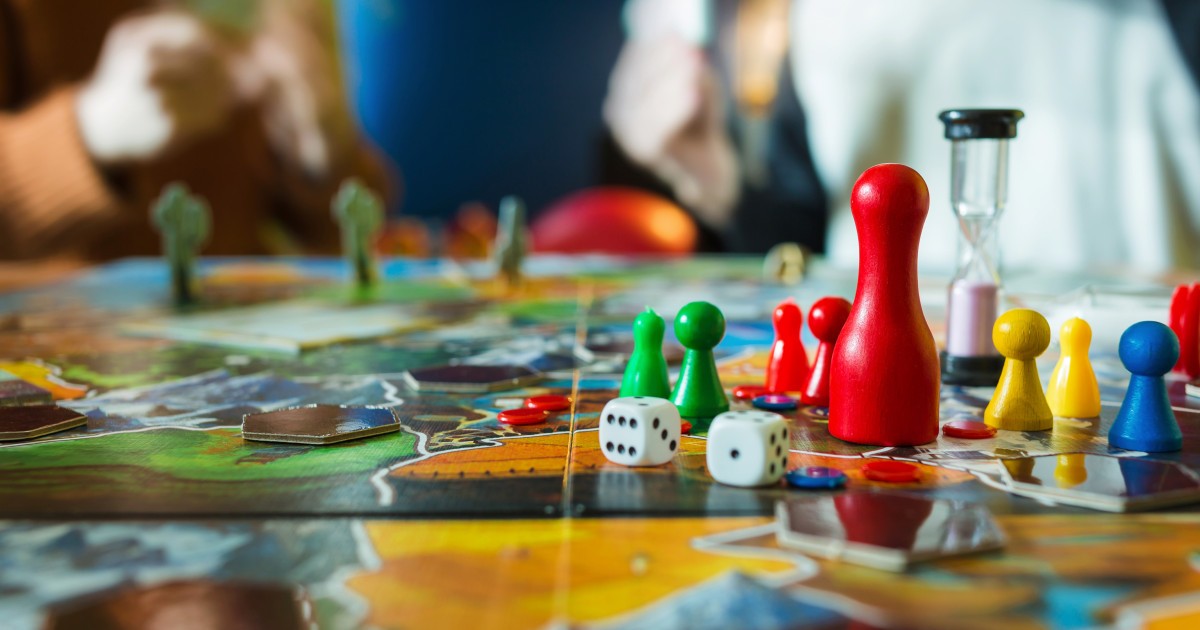
Board games are a firm favourite in many households, and now their impact on wellbeing and their potential use in health and social care interventions will be explored in a new initiative.
There is increasing evidence that many classic games – and other modern tabletop role-playing games – have a wide range of social, educational, and therapeutic benefits, particularly among neurodivergent players.
Researchers from Manchester Metropolitan University and the University of Plymouth, who are leading the initiative, have received funding to host a national workshop exploring how games might be integrated more widely into health and social care interventions.
Dr Gray Atherton and Dr Liam Cross, from the University of Plymouth’s School of Psychology, have found that games such as Dungeons and Dragons and Dixit can lead to improvements in confidence, assertiveness, and real-life social engagement.
The event, which will be held at The Amelia Scott in Royal Tunbridge Wells during 2026, is open to professionals from across the UK working in the mental health and education sectors.
The research team plans to create the first toolkit to explore how tabletop role-playing games can be used to enhance people’s wellbeing, and will bring together expert opinions to create a series of recommendations while laying the groundwork for a large-scale study on the impact of these games in social care.
Dr Chloé Germaine, Reader and Co-Director of the Manchester Game Centre at Manchester Met, said: “We’re excited to bring our expertise in game design, creative industries, and games culture to this initiative. By exploring how tabletop games can foster wellbeing and inclusion, we aim to help shape practical tools and recommendations that will empower health and social care professionals to harness the unique social and creative benefits of play.”
Dr Atherton, Lecturer in Psychology at the University of Plymouth, said: “While the classics remain popular, a wave of modern games has captured the spotlight and is even rivalling the booming video game industry.
“Our research has shown they can enhance wellbeing, foster inclusion, and support learning, with strong evidence that games improve engagement and social connection for neurodivergent individuals compared to other activities. This workshop will hopefully provide the next step in our quest to turn this evidence into action.”
This latest initiative builds on impactful research and expertise in games for health from Manchester Met’s Manchester Games Centre. This includes a life-storytelling board game to help boost the confidence and wellbeing for people with dementia, and research exploring the potential mental health benefits of the cult game Dungeons and Dragons.