Why Taylor Swift matters: understanding the power of pop’s biggest star
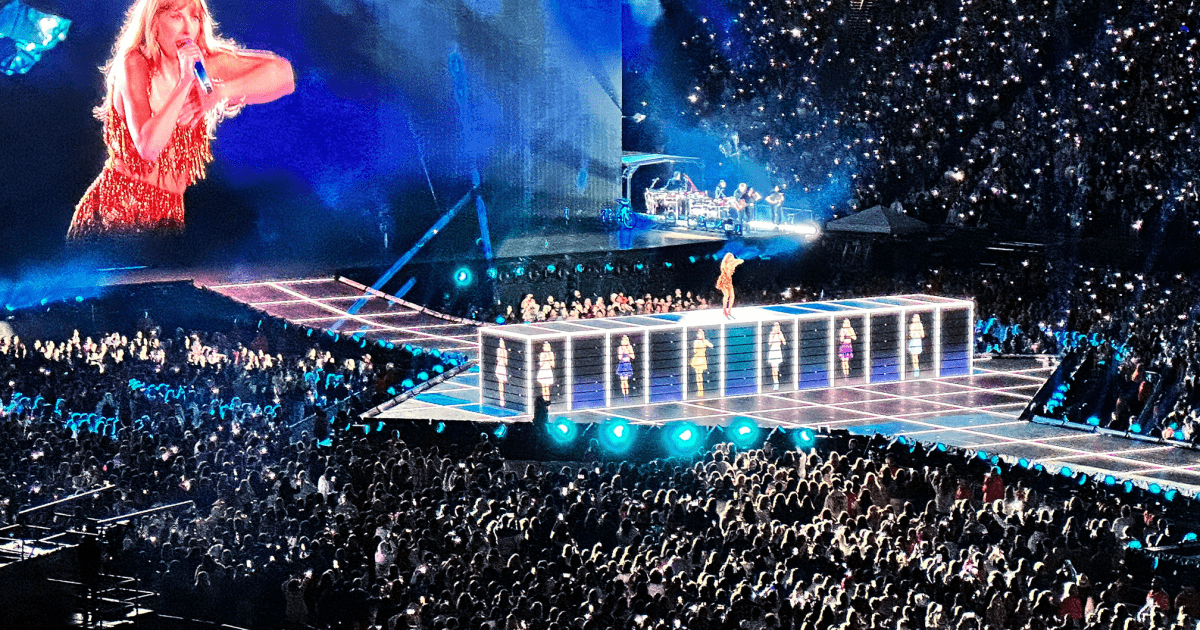
With the release of her new album, Taylor Swift has once again captured the cultural conversation. Few artists in modern music have achieved her level of visibility, longevity, and influence. But what exactly makes Swift so popular? And why does she continue to matter almost two decades into her career?
As a researcher in popular music and celebrity culture, I’ve been examining Swift’s impact for some time. What is striking is not just her chart dominance, but the way she has built a relationship of trust and intimacy with her fans. Through her lyrics, Swift crafts detailed narratives that blur the line between personal diary and universal storytelling. Listeners see themselves in her songs, which touch on love, heartbreak, resilience, and self-discovery. This sense of shared experience is central to her appeal.
Equally important is Swift’s ability to reinvent herself. From country ingénue to global pop star, from indie-folk experimenter to blockbuster tour phenomenon, she has continually shifted her image and sound while maintaining artistic coherence. Reinvention in popular music is nothing new, but Swift manages to do it while retaining a strong sense of authenticity – her fans feel they are growing up with her.
Research into fan cultures also highlights how Swift fosters community. The ‘Swiftie’ fandom is deeply participatory: decoding Easter eggs, creating artwork, and engaging in digital storytelling around her music. In this way, Swift is not simply a performer but a cultural architect, building worlds that invite collaboration and belonging.
Finally, there is her strategic control of narrative. Whether through re-recording her early albums to reclaim ownership of her work, or through carefully managed social media interactions, Swift demonstrates an acute understanding of how power, gender, and creativity intersect in the music industry. For many, she represents not only entertainment, but empowerment.
Her new album arrives at a moment when music feels more global, fragmented, and competitive than ever. Yet Taylor Swift continues to dominate because she embodies what pop culture thrives on: connection, reinvention, and meaning. She is not just a singer-songwriter but a cultural force, shaping how we think about music, identity, and celebrity in the 21st century.
Kirsty Fairclough is a Professor of Screen Studies at Manchester Met as part of the School of Digital Arts (SODA), and has carried out research into the cultural phenomenon of Taylor Swift due to be published in her upcoming book Swiftly Iconic: The Cultural Phenomenon of Taylor Swift (Manchester University Press).