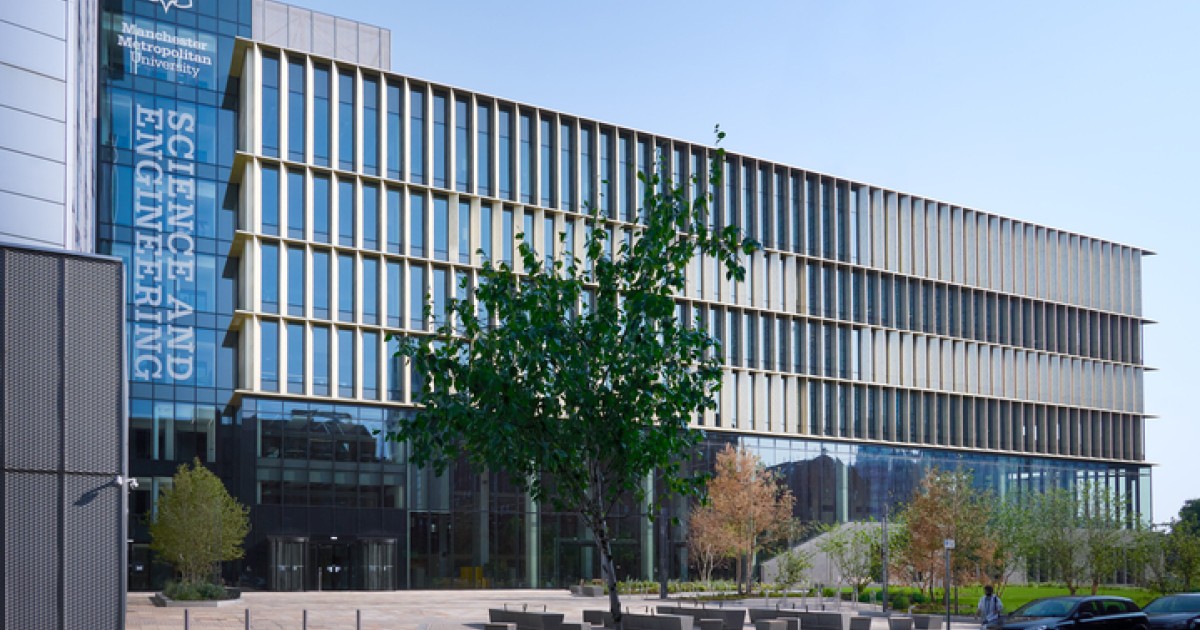
Manchester Metropolitan University is contributing to a major international initiative to combat the growing threat of antifungal resistance, as part of a project that has received more than £2.8 million in funding from the UK Government’s Global AMR Innovation Fund (GAMRIF).
The FAILSAFE project (Fungal AMR Innovations for LMICs: Solutions and Access For Everyone) – led by the University of Exeter – brings together 135 researchers across 82 countries to address fungal antimicrobial resistance (fAMR), a critical challenge for global health and food security.
At Manchester Met, Dr Can Zhao, Senior Lecturer in Microbiology, is leading a project focused on developing a new class of antifungal compounds to treat fungal keratitis, a serious eye infection that disproportionately affects people in low- and middle-income countries (LMICs).
The research combines structure-guided drug design with in vivo validation to optimise new antifungal agents targeting pathogens listed as critical by the World Health Organization.
Dr Zhao’s team is working closely with co-applicant Dr Kevin Fuller from the University of Pittsburgh (USA) and industrial partner inPepCide to bridge the gap between laboratory discovery and real-world therapeutic development.
Dr Zhao said “This collaboration allows us to apply Manchester Met’s strengths in microbiology and drug discovery to a pressing global challenge. By partnering internationally and engaging with industry, we aim to accelerate the development of antifungal treatments that are effective, affordable, and accessible to those who need them most.”
The FAILSAFE initiative is managed by the University of Exeter’s MRC Centre for Medical Mycology and supported by the NIHR Exeter Biomedical Research Centre. It supports projects across five key areas: drug development, diagnostics, surveillance, vaccine research, and understanding resistance mechanisms.
This research is co-funded by the UK Department of Health and Social Care (DHSC) as part of the Global AMR Innovation Fund (GAMRIF) – a One Health UK aid fund that supports research and development worldwide to reduce the threat of antimicrobial resistance (AMR) in humans, animals, and the environment, for the benefit of people in low- and middle-income countries.
Professor Elaine Bignell, co-lead of FAILSAFE at the University of Exeter, said: “We are thrilled to support a new cohort of outstanding researchers dedicated to addressing the global crisis of fungal AMR. This round of FAILSAFE funding reflects the extraordinary quality and diversity of applications we received from around the world.”
For further details on the work being undertaken by FAILSAFE, visit: