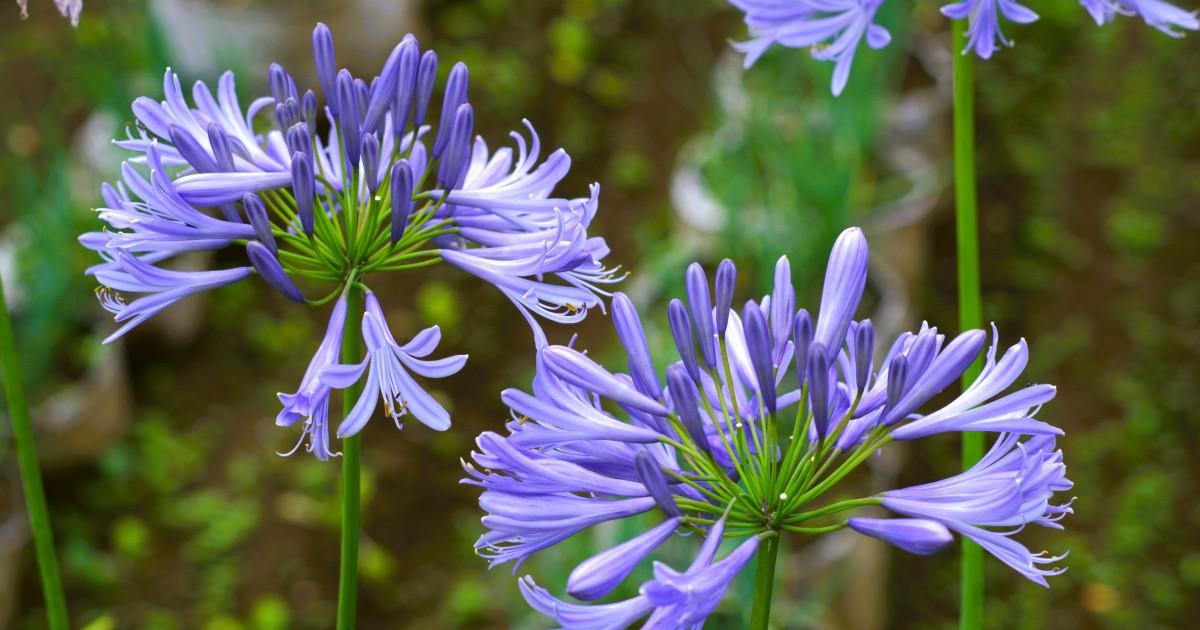
A major award will investigate the rise of natural history in the 19thcentury, just as a potential new natural history GCSE indicates the subject is once again growing in popularity.
Once a widespread subject in Victorian England, Natural History; the art and science of studying the environment, has since fallen by the wayside as art and science are seen as separate academic subjects.
Dr Francesca Mackenney, Third Century Fellow in Writing and Place at Manchester Met, has won the Leverhulme Trust’s Research Leadership Award for her project; The Making of Natural History, 1789 -Present.
Dr Mackenney’s £1m study will trace the rise of natural history in the 19th century, as a richly interdisciplinary subject that combined field observation of flora and fauna with local history, geography, creative writing and fine art illustration.
Leading an interdisciplinary team, she will explore how natural history may be revived and reinvented as a new field of research – one capable of developing the more holistic, joined-up thinking needed to address the environmental crisis.
Dr Mackenney said: “The revival of natural history as a subject is a reaction to the fact that we’re losing a lot of these skills gained from direct observation of the natural world that people in the 19th century had in such abundance.”
Based in Manchester, a city with a rich working-class history, Dr Mackenney is interested in tackling misconceptions about the subject and what kind of people studied it.
She added: “Natural history was very popular with gardeners, weavers and this new, industrial working -class that emerged in the 19th century. They educated themselves and each other, and they made an enormous contribution to the history of environmental science in Britain.”
The Leverhulme Trust’s Research Leadership Award is given to talented scholars who need to build a team to tackle a distinctive research problem.
Professor Christopher Fox, Faculty Director of Research, Arts and Humanities, said: “As a Faculty, we are proud of Dr Mackenney’s achievement. This project embodies the very best of transformative research—work that reaches across traditional disciplinary boundaries to open up new ways of thinking.”
Dr Mackenney’s project will start in October and develop for the next four years. Dr Mackenney, who has a background in English Literature, will assemble a team from various fields: history, ecology, education, creative writing and fine art.
Together, they will aim to develop the broader, more interdisciplinary approaches needed to tackle environmental issues and to understand the complex ways in which natural environments have shaped local communities, economies and cultural traditions, and vice versa.
Dr Mackenney said: “Natural history is from a time before the arts and science were divided up into very separate subjects on a timetable. It’s exciting to think about how we can learn from that period in terms of bringing these disciplines back together.”
This latest Manchester Met Leverhulme Trust success follows linguistics researcher Dr Ian Cushing’s award last year of the Leverhulme Trust’s Philip Leverhulme Prize in Languages and Literature. His three-year study is currently exploring linguistic injustice and language discrimination in education.